Most homebuying advice works anywhere: get preapproved, hire a good inspector, don't overextend. All true. But some of the things to know before buying a house in Tucson only make sense once you've lived through a summer here, or watched a monsoon storm test a flat roof.
These are the seven points I most want buyers to understand before they write an offer, whether they're moving across town or across the country.
1. Summer electric bills depend on the house, not just the weather
In Tucson, air conditioning drives summer electric bills, and two homes of the same size can cost very different amounts to cool. Tucson Electric Power (TEP) calls weather the single biggest driver of household electric use in our desert climate. It also points to insulation, window quality and sun exposure as factors in how hard your AC has to work.
When you compare homes, look at square footage and ceiling height, insulation and windows, how much afternoon sun the house gets, the age and efficiency of the AC, and whether there's a pool pump. Your habits matter too. If you like the house at 74 degrees in July, your bill will look different from the seller's at 80.
What to do: Ask, through your agent, whether the seller will share 12 months of electric bills, including the summer months. It won't predict your bill exactly, but it beats guessing. It's also worth looking at TEP's pricing plans. On its time-of-use plan, summer on-peak hours run from 3 to 7 p.m. on weekdays, May through September.
2. A general home inspection isn't an HVAC inspection
If I could make one recommendation to every Tucson buyer, it would be this: get a separate inspection from a licensed HVAC contractor, even if the air conditioner is new or only a few years old.
A general home inspection is essential, and a good inspector will run the system and note visible problems. But Arizona's home inspector standards don't require the inspector to evaluate whether cool air reaches each room evenly or adequately. An HVAC contractor can go further. They can check the refrigerant charge, airflow, duct connections and leakage, and electrical components, and whether the equipment was installed correctly.
That matters because a newer unit isn't automatically a problem-free one. Poor installation, undersized or leaking ductwork, and refrigerant issues can all show up in systems that look fine at first glance. In a place where the AC is working hard for months at a time, you want to know before you own it. Even the Arizona REALTORS® Buyer Advisory suggests hiring a qualified heating and cooling inspector if the system is important to you. In Tucson, it is.
Schedule the HVAC visit within the inspection period in your contract, so any findings can go into your repair request. My Tucson home inspection guide covers what else to look for.
3. The purchase price doesn't tell you the monthly cost
Your real monthly cost includes much more than principal and interest. Before comparing homes, add up:
- Mortgage principal and interest
- Property taxes, which vary by parcel and taxing district
- Homeowners insurance
- HOA dues, if any
- Mortgage insurance, if your loan requires it
- A solar lease or loan payment, if the home has solar that isn't owned outright
- Utilities and a realistic maintenance budget
Here's a simple example. Assume two homes, both bought with 10% down on a 30-year loan at a hypothetical 6.5% rate:
- Home A: $395,000 with a $150 monthly HOA. Principal and interest come to about $2,247, plus the HOA, for about $2,397.
- Home B: $405,000 with no HOA. Principal and interest come to about $2,304.
Home A is $10,000 cheaper but costs about $93 more each month. This simplified comparison excludes property taxes, homeowners insurance, mortgage insurance, utilities and maintenance, all of which would differ for each home. This doesn't make HOAs bad. Many fund amenities buyers value. The point is to compare monthly costs, not list prices.
For property taxes, ask for the specific parcel's current bill rather than relying on an area average. A mortgage pre-approval is the best way to get real numbers for your situation.
4. New construction isn't always the cheaper option
A builder's advertised base price is a starting point, not a final price. Vail, Rocking K, Sahuarita and Southeast Tucson all have active new-construction communities, and the base prices can look appealing next to a resale home. Before comparing, ask about lot premiums, design-center upgrades, backyard landscaping, window coverings, appliances such as a refrigerator or washer and dryer, HOA dues, and the construction timeline if you're working around a lease or move date.
Builder incentives can be valuable, but they're often tied to the builder's preferred lender. Compare the full loan terms with an outside lender before deciding.
And yes, inspect a new home independently, including the HVAC and roof. My new construction vs. resale guide goes deeper on these tradeoffs.
Curious what's on the market right now? You can browse current Tucson-area homes for sale by price range and area, including new construction and resale.
5. Test the neighborhood and the commute before you buy
Tucson is spread out, so where you buy shapes your daily routine more than many buyers expect. There's no freeway running east–west through the middle of the city. Many crosstown trips use surface roads such as Grant Road, Speedway Boulevard, Broadway Boulevard and 22nd Street.
The surrounding communities each connect differently:
- Vail and Rita Ranch sit to the southeast, along Interstate 10.
- Sahuarita sits to the south, along Interstate 19.
- Marana sits to the northwest, along I-10.
- Oro Valley sits to the north, along Oracle Road.
Before you commit, drive to work at the hours you'll actually commute. Run your usual errands from the neighborhood, visit on a weekday evening and a weekend morning, and check the drives to the places you'll go most. If you're weighing suburbs, my Vail vs. Sahuarita vs. Marana comparison is a good starting point.
6. Get a separate roof inspection on every home
Tucson homes commonly have either pitched tile roofs or flat roofs, and I recommend a separate inspection by a licensed roofing contractor on every home, whatever the roof's age. That includes new construction and roofs that were recently replaced.
A newer roof can still have installation defects, and problems on both types are often hidden from view:
- Tile roofs: The tiles mostly shed water. The underlayment beneath them is the main waterproofing layer, and it can be damaged or improperly installed even when the tiles look fine. Flashing around vents, chimneys and walls is worth a close look too.
- Flat roofs: Many use spray foam with a protective coating that wears down and needs periodic recoating. They also depend on drainage, so issues with slope, clogged scuppers, flashing or cracked parapet stucco can let water in, especially during monsoon season.
A general home inspector looks at the roof as part of a much broader review. A roofing contractor focuses on the roof alone and can usually give a more detailed assessment of its components, workmanship and remaining maintenance needs.
On a resale home, schedule the roof inspection within the inspection period in your contract. On new construction, arrange it before closing, at a stage the builder allows, so issues can be corrected while the builder is still responsible. Ask the seller for any roof repair or recoating records, and confirm the roofer's license through the Arizona Registrar of Contractors.
7. The best home isn't always the biggest or newest
The right home is the one that works for your daily life and your budget over time, not necessarily the one with the most square feet.
A well-designed 1,800-square-foot home can live better than a poorly laid-out 2,300-square-foot one. Walk through and picture an ordinary Tuesday: where groceries land, where you work from home, where the morning sun comes in.
Think about maintenance too. A bigger lot means more landscaping, a pool means more upkeep, and extra square footage means more space to cool every summer.
Finally, consider flexibility and resale. Could the layout adapt if your household changes, and will the location appeal to the next buyer? A slightly smaller home in the right spot is often the better long-term decision.
Frequently Asked Questions
When is the best time to buy a house in Tucson?
There's no single best month for every buyer. Inventory, interest rates, competition and your own timeline all matter more than the calendar. The season can affect how much choice and competition you see, so it's worth weighing against your own timing. I break down the tradeoffs in Should You Buy a Home in Tucson Now or Wait Until Spring 2027?
Do I need a separate pool inspection in Tucson?
It's worth considering. A general home inspector may look at visible pool equipment, but the Arizona REALTORS® Buyer Advisory notes that an inspection by a pool or spa company may be necessary. A pool company can evaluate the pump, filter, heater, plumbing and surface more thoroughly.
Should I check the water provider and sewer connection?
Yes, especially outside central Tucson. Water providers vary across the region, and some properties use septic systems instead of public sewer. The Arizona REALTORS® Buyer Advisory recommends investigating the water provider and having a plumber, inspector or other professional verify a sewer connection, even when the listing says the home is connected.
How long do I have to complete inspections in Arizona?
The standard Arizona REALTORS® resale purchase contract provides a 10-day inspection period unless the buyer and seller agree to a different timeframe. It's a contract term, not a state law, so check your signed contract. Book your general, HVAC, roof and any pool inspections right after acceptance.
Thinking About Buying in Tucson?
If you're getting ready to buy, I'm happy to help you think through the details: comparing monthly costs, weighing new construction against resale, or narrowing down areas that fit your routine. Request a personalized home search or reach out to talk through your plans.
Ryan Porzel is a REALTOR® with HomeSmart Advantage Group. This article is general information, not legal, tax or financial advice. Equal Housing Opportunity.
FROM OUR BLOG
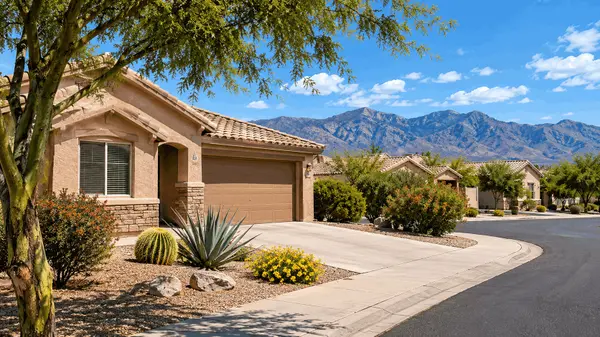
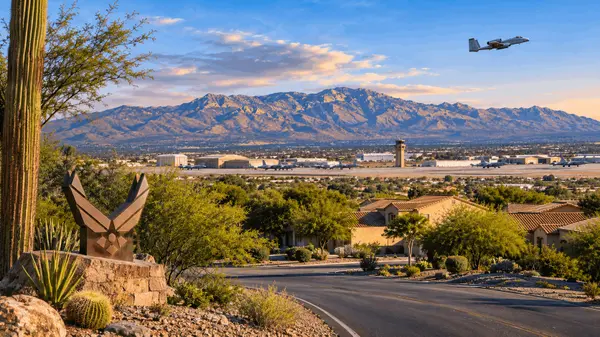
Living Near Davis-Monthan Air Force Base: Best Tucson Neighborhoods for 2027
By Ryan Porzel, REALTOR® | HomeSmart Advantage Group | Published November 2026 If you're moving to Davis-Monthan Air Force Base (DMAFB), the best neighborhoods to compare are Rita Ranch, Vail, Corona de Tucson, East Tucson, Southeast Tucson, and Sahuarita. East and Southeast Tucson put you closest t

Why Getting Pre-Approved Before Searching for Homes in Tucson Can Save You Time and Frustration
By Ryan Porzel, REALTOR® | HomeSmart Advantage Group Serving Tucson, Vail, Sahuarita, Marana, Oro Valley, Green Valley, Rita Ranch and surrounding Southern Arizona communities You've got a pre-approval letter for $400,000. You've been scrolling listings in Vail and Sahuarita for weeks, and you've fo
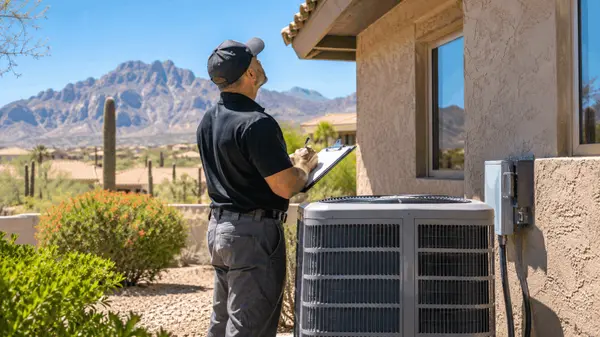
What Does a Home Inspection Really Tell You? A Tucson Buyer's Guide
By Ryan Porzel, REALTOR® | HomeSmart Advantage Group Serving Tucson, Vail, Sahuarita, Marana, Oro Valley and Green Valley You found the house. The layout works, the backyard faces the Catalinas, and you can already picture where the furniture goes. Then the inspection report arrives: 42 pages, dozen